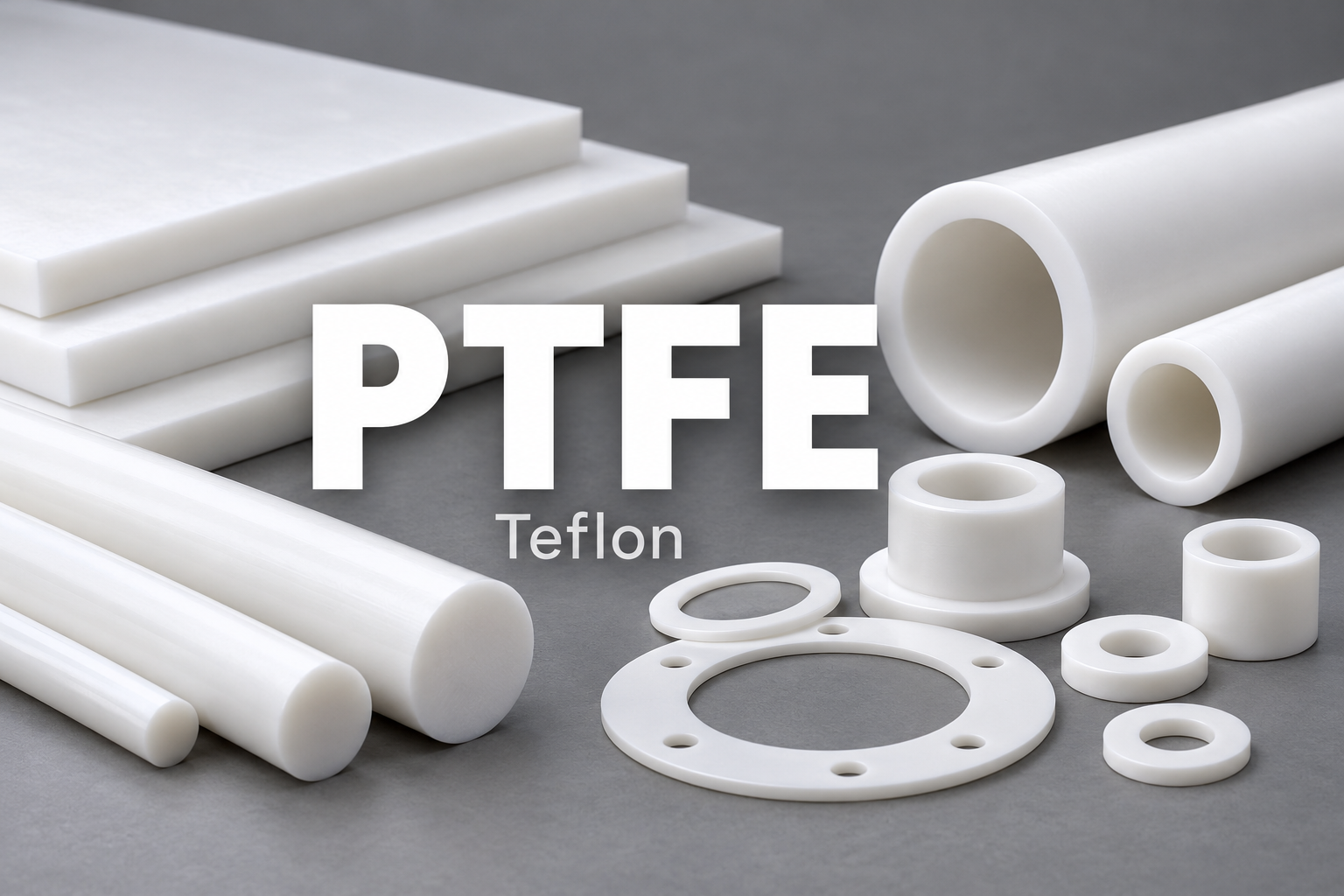
Anh Tri Tue Company has extensive experience in manufacturing high-quality Rubber Rollers serving various key industries.
What is a Rubber Roller?
A rubber roller is a mechanical component used in various industrial applications such as printing, packaging, glass production, plastic extrusion, assembly, goods transportation, mining, and mineral processing, among many others. It consists of a cylindrical core made of metal or other hard materials covered with a layer of rubber or elastomeric material. The rubber covering can be made from various rubber compounds depending on the specific application requirements, such as resistance to chemicals, temperature, or abrasion. Rubber-coated rollers are among the most commonly used rollers today. During the production of rubber-coated rollers, there are always requirements for concentricity, straightness, to avoid causing centrifugal force, and to prevent sagging.
Characteristics of Rubber Rollers:
1. Core Material:
- Usually made from steel, aluminum, or other metals to provide strength and hardness.
- Ensures the roller maintains its shape and can withstand high loads.
2. Rubber Coating:
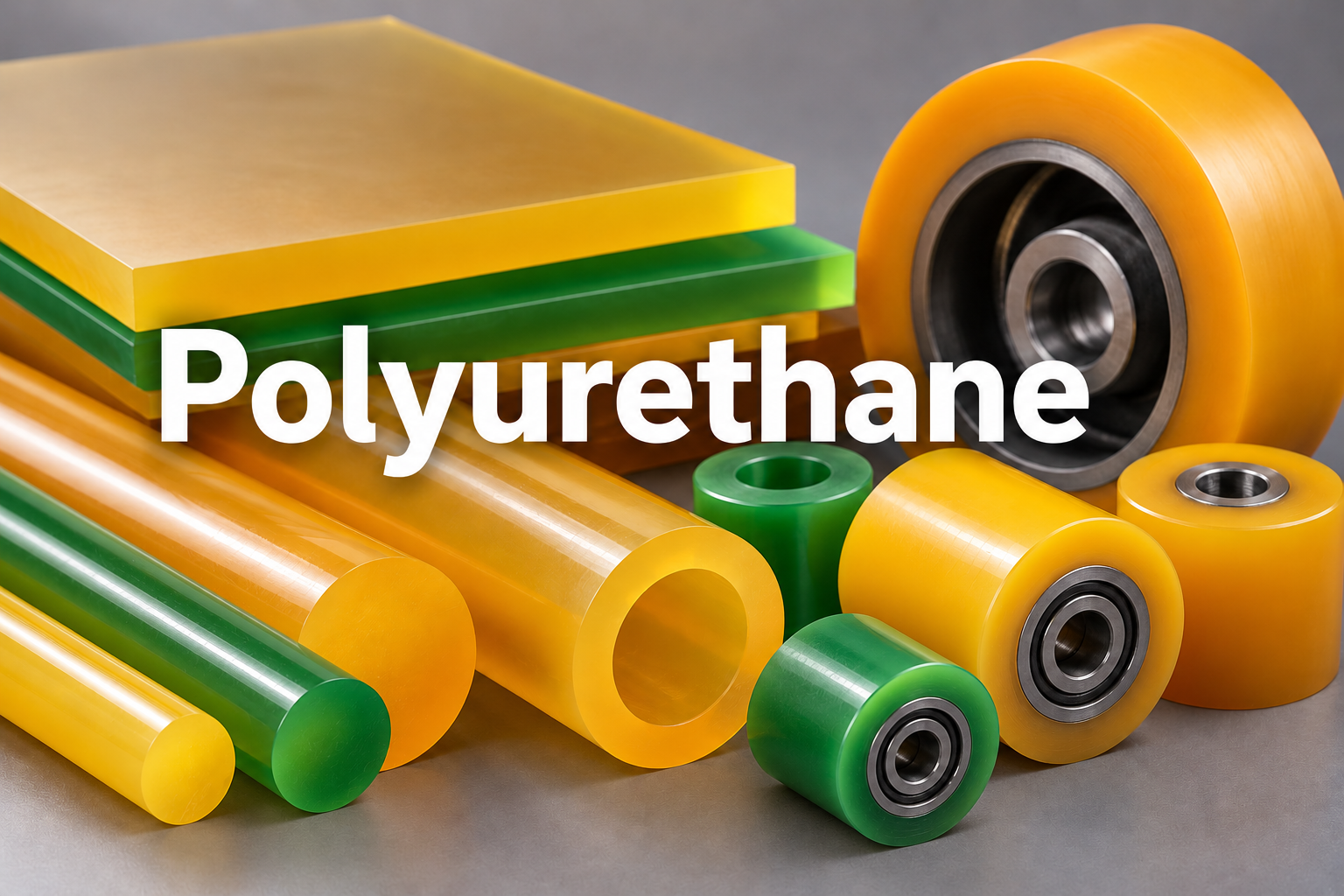
- Made from various rubber compounds such as natural rubber, SBR (synthetic rubber), nitrile rubber (NBR), EPDM, silicone, and polyurethane.
- The choice of rubber depends on the specific application needs, such as chemical, temperature, and abrasion resistance.
3. Surface Finish:
- The rubber surface can be smooth, grooved (e.g., fishbone or diamond pattern), or textured to meet different operational requirements.
- Surface treatment can improve grip, reduce slipping, and optimize material handling.
Applications of Rubber Rollers:
1. Printing Industry:
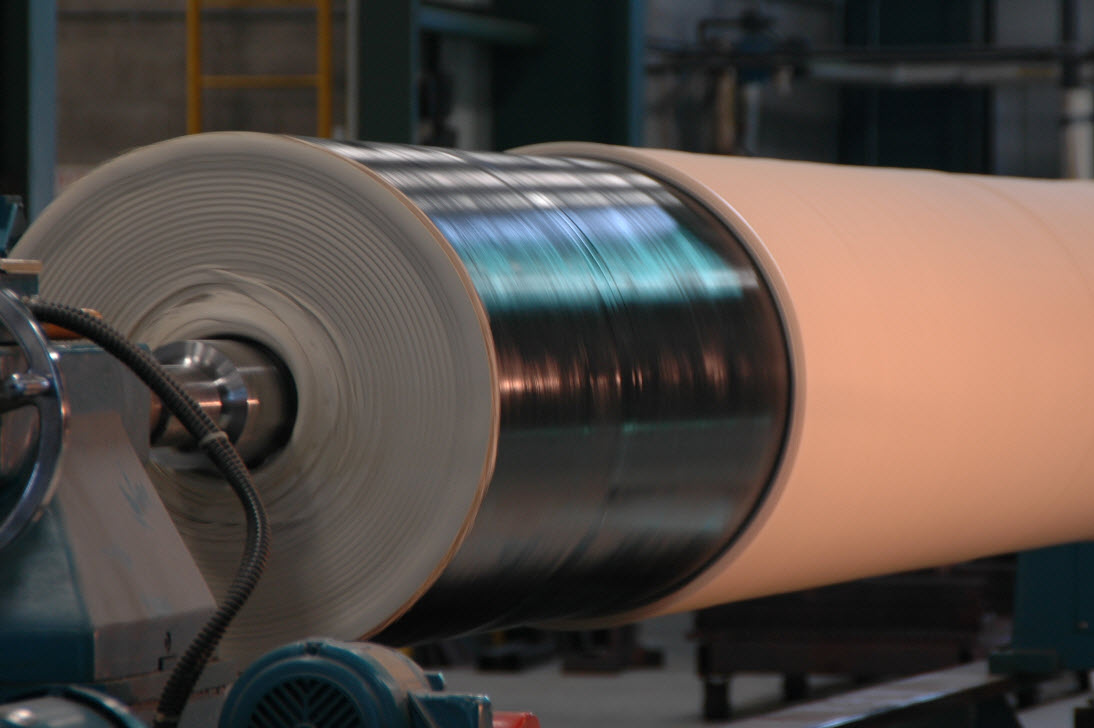
- Used in printing machines to transfer ink onto paper or other materials.
- Ensures even ink distribution and high print quality.
2. Packaging Industry:
- Used in machinery for handling and processing packaging materials.
- Helps control and move materials accurately.
3. Textile Industry:
- Used in the production and processing of fabrics.
- Helps to finish and roll out fabrics smoothly.
4. Lamination Industry:
- Used to bond materials together through heat and pressure.
- Ensures even and smooth lamination.
5. Metal Processing:
- Used in processes such as painting and coating.
- Enhances the surface quality of metal products.
6. Mining and Mineral Processing:
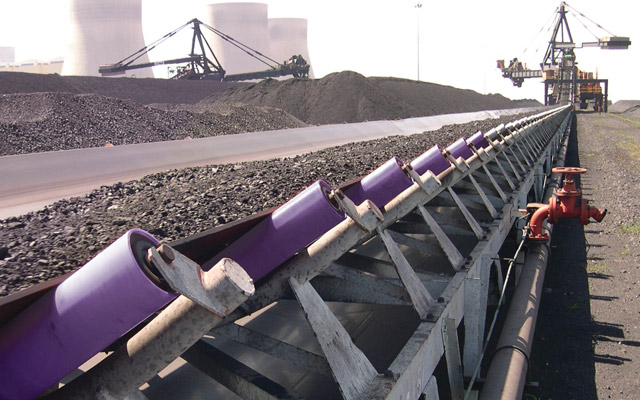
- Helps transport minerals from mining areas to gathering points or onto trucks. For example, transporting coal from mines or freshly smelted iron out of the furnace.
7. Hazardous Production Industries:
- Additionally, rollers are used in hazardous production environments to avoid affecting workers' health.
Benefits of Rubber Rollers:
1. Durability:
- Rubber rollers are designed to withstand harsh industrial conditions with a long lifespan.
- Reduces the need for frequent replacements, minimizing downtime and maintenance costs.
2. Versatility:
- Suitable for various applications across different industries.
- Can be customized to meet specific operational needs.
3. Performance:
- Provides stable and reliable performance, ensuring high-quality output.
- Enhances efficiency and productivity in industrial processes.
4. Cost Efficiency:
- Although the initial cost is high, the long lifespan and low maintenance needs make rubber rollers a cost-effective solution in the long run.
Anh Tri Tue Company has extensive experience in manufacturing high-quality Rubber Rollers serving various key industries.